October14, 2025
Making the Most of Your Material Library
How thoughtful curation turns a pile of samples into a creative tool
Robert Goren, Co-founder of Hearth
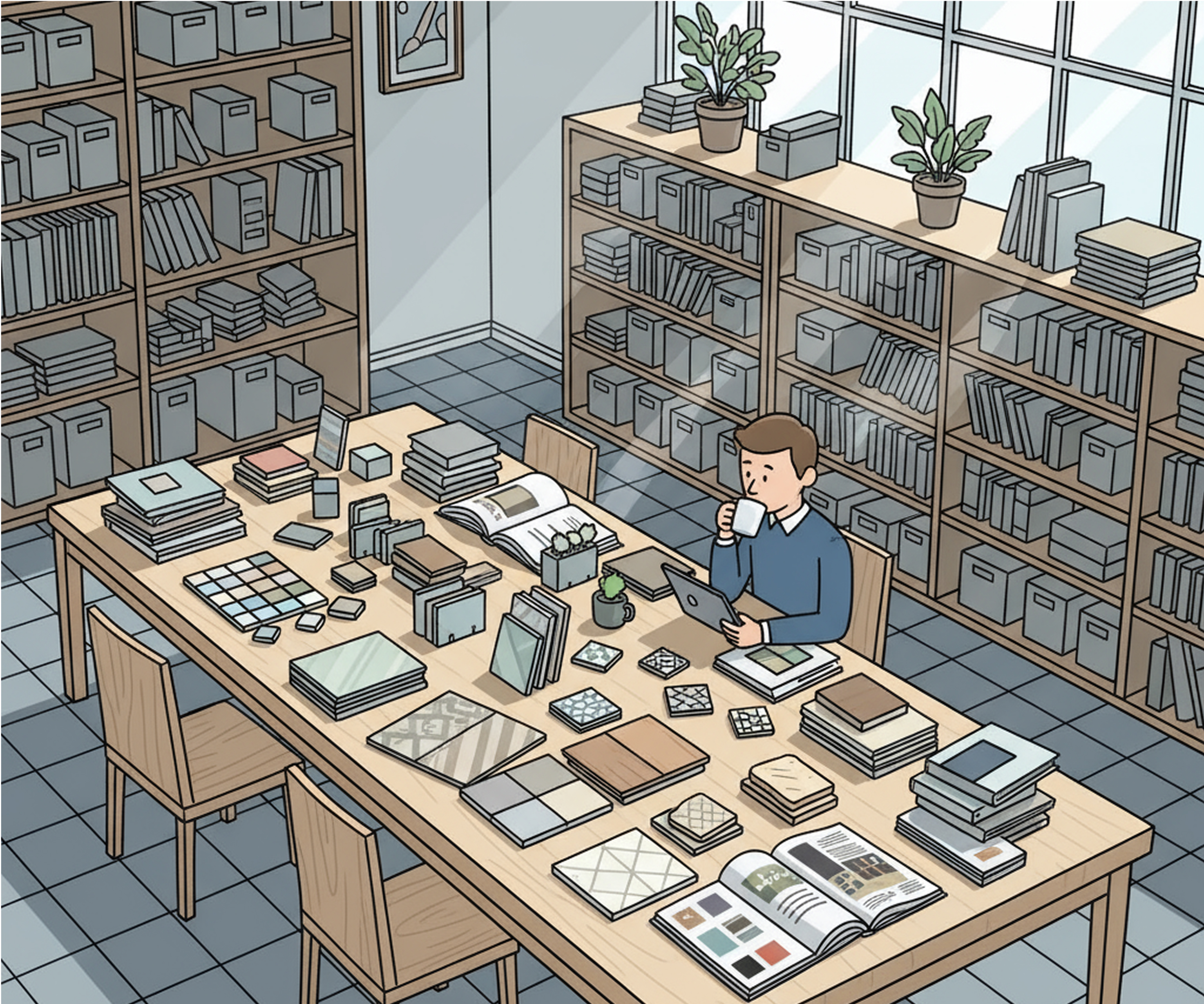
If you’ve ever worked in an architecture or interior design studio, you’ve probably spent more time than you’d like digging through piles of product samples. From stacks of stone and tile swatches to endless fabric binders and paint decks, sample libraries can feel like both a blessing and a curse. They’re essential to how we work-- but without proper management, they can quickly spiral into chaos.
In this article, I’ll break down what sample libraries are, why they matter, why they’re so hard to maintain, and share a few practical tips for keeping them organized.
What is a Sample Library?
A sample library is the physical collection of material and product samples that designers rely on to make decisions. Each sample offers a tactile reference point that helps define the character and feel of a space.
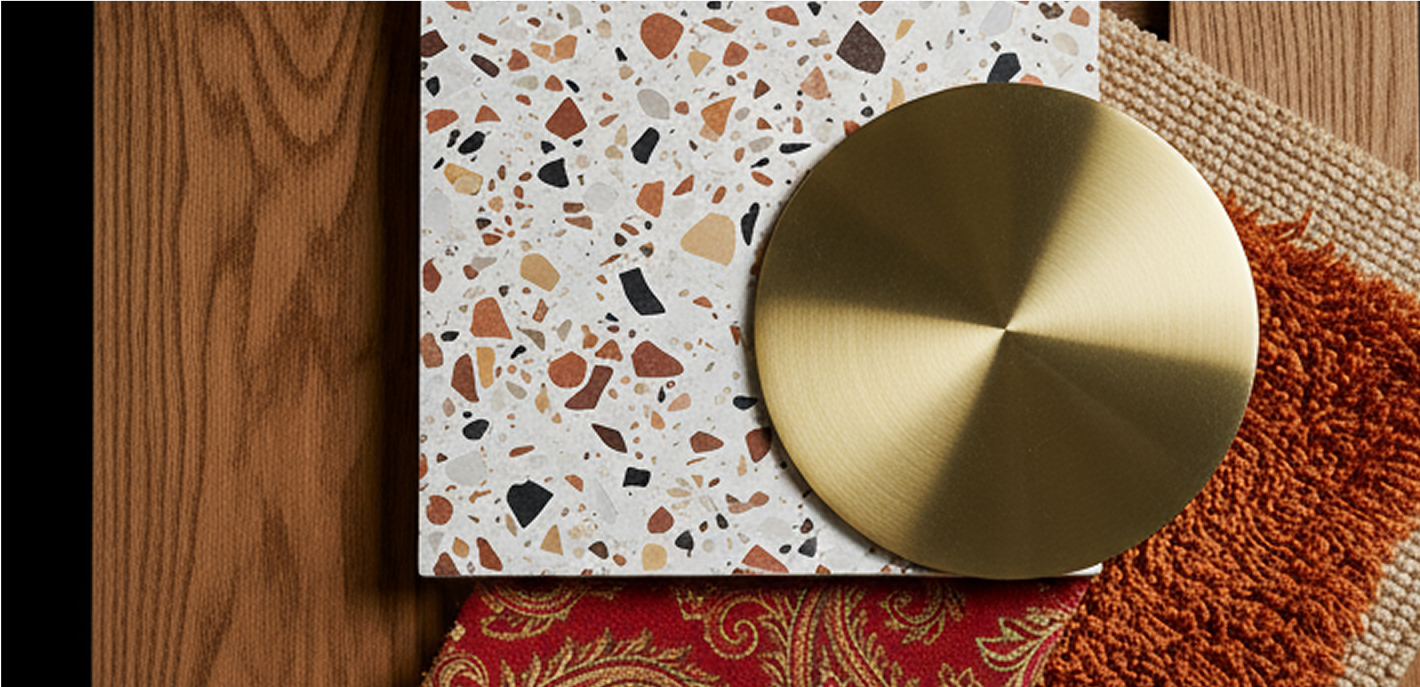
For designers, these libraries create a chance to build material empathy-- to understand how something truly behaves in light, touch, and context. The subtle reflection of a glazed tile or the grain beneath your fingertips on a piece of oak can tell you more than any rendering ever could. This sensory experience fuels intuition and helps us combine materials in ways that feel both natural and inspired.
For clients, physical samples bring design stories to life. They can touch the marble that will anchor their kitchen, feel the texture of the rug that will warm their living room, and begin to see how it all connects.
Ultimately, a well-curated sample library is more than just storage-- it’s a living, evolving tool that captures a studio’s taste, values, and creativity. It’s where design becomes tangible.
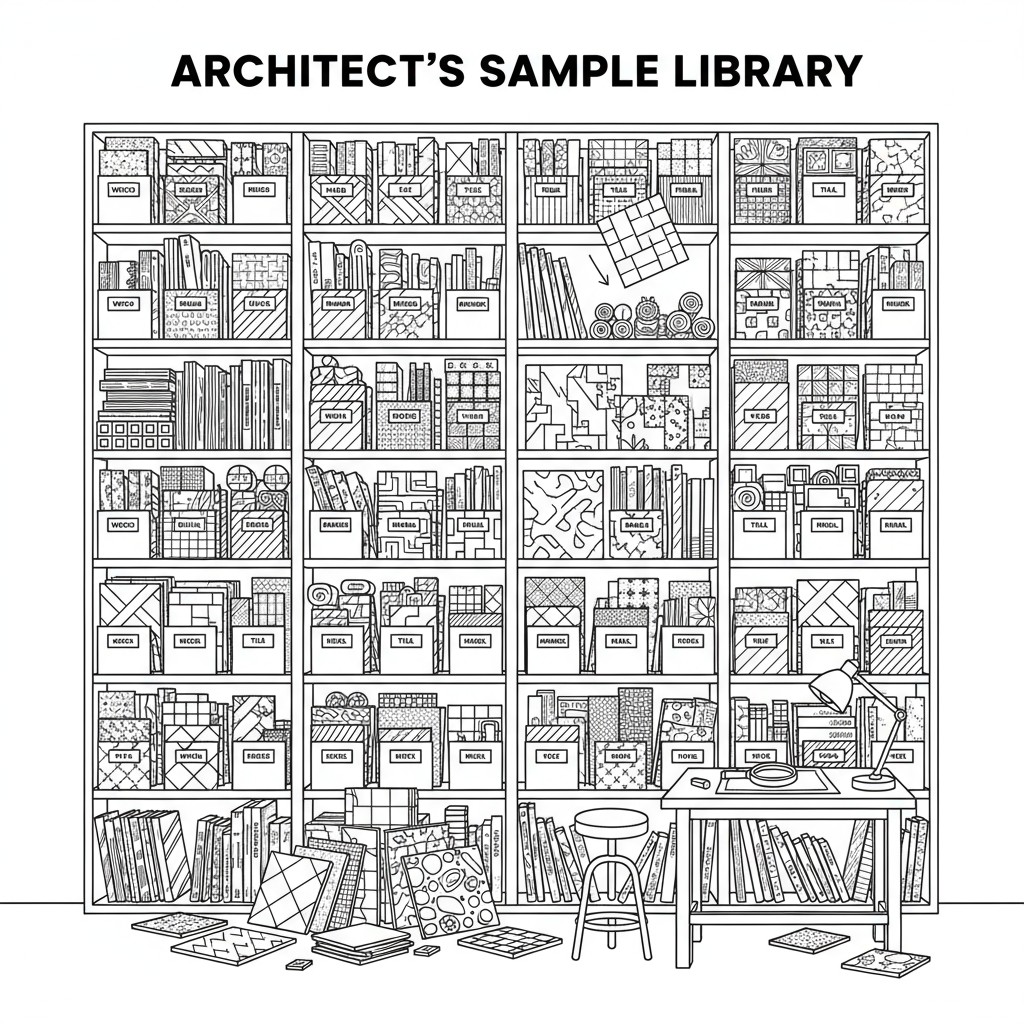
Why They’re Hard to Manage?
As crucial as they are, sample libraries come with some well-known challenges:
- Ownership:The biggest hurdle often comes down to ownership. Who’s actually responsible for maintaining the library? Large firms sometimes have a dedicated librarian or resource coordinator, but most studios can’t justify that role. Instead, the responsibility falls to the design team-- people already juggling deadlines, clients, and endless revisions. Naturally, library upkeep slips to the bottom of the to-do list.
- System:Every system works... until it doesn’t. Unlike books, which line up neatly on a shelf, samples arrive in every imaginable shape and size. Boxes, binders, boards, loose swatches-- each demands its own sub-system within the whole. Keeping everything accessible and easy to navigate becomes a constant battle between order and entropy.
- Volume and Turnover:The sheer volume of products on the market means new samples arrive constantly. At the same time, old products get discontinued, rebranded, or replaced. Without regular upkeep, outdated samples linger, making it harder to tell what’s still current or available.
- Space:Even the most spacious studios eventually face the question: where does it all go? Samples pile up faster than they’re used, leading to inevitable purges where forgotten or unused materials are tossed-- sometimes along with ideas that might have inspired future projects.
Tips on Maintaing Material Libraries
Maintaining a sample library doesn’t have to be overwhelming. With a bit of structure and consistent upkeep, it can become one of the most powerful tools in your studio. Here are a few strategies to help.
1. Define Categories ClearlyEvery firm organizes differently, so start by deciding what logic makes the most sense for your team. Some studios follow CSI divisions, while others prefer plain-language categories like tile, stone, fabric, wood, or paint. Adding subcategories- such as natural stone vs. porcelain tile- can be helpful, but simplicity often wins in the long run.
Pro tip: Labels are your best friend. Whether you use a label maker or a leftover stack of “hello my name is” stickers, clearly marking each section makes the system easier for everyone to maintain.
2. Trays Over BinsWe’re creatures of ease. Deep, translucent bins seem practical but often end up becoming black holes for forgotten samples. Lifting heavy bins, digging, and reorganizing takes effort- so it rarely happens.
Instead, try shallow trays that let materials lay flat and visible-- like an elegant charcuterie board of finishes. Designers can easily compare options side by side, and the limited real estate forces curation. Some studios even dedicate a tray per project, allowing teams to present concepts cleanly to clients while keeping others in the loop on ongoing work.
3. Curate IntentionallyBe honest: how likely is it that your firm will ever use that hot pink face brick you ordered on a whim?
Curation is an ongoing act of restraint and refinement. Regularly editing your library helps the studio define its design standards and point of view. Set a quarterly or biannual schedule to review samples, remove discontinued products, and invite reps to refresh the collection. Most reps will gladly pick up outdated samples (it’s a great excuse to reconnect).
Because architecture can be an incredibly wasteful industry, small acts of reuse and recycling go a long way toward building more sustainable practice habits.
4. Balance Physical and DigitalWhile the physical library is irreplaceable, pairing it with a digital catalog makes searching, sharing, and tracking much easier.
At Hearth, our mission revolves around linking the physical library with a digital framework—but even a simple spreadsheet can make a difference. Maintaining a digital log of each material helps designers avoid wasted time hunting for items that already exist in the studio
5. Balance Physical and Digital
While the physical library is irreplaceable, pairing it with a digital catalog makes searching and organizing easier. Our Mission at Hearth revolves around linking the physical material library with an elegant digital framework. Be it Hearth, or a simple excel sheet-- a log of each material can save designers hours scouring the web for an item that already existing in the studio. This log will most likely align with a standard material schedule and include:
Must Have:
- Description (e.g., wood floor, tile, glass)
- Manufacturer
- Series
- Dimensions
- Model number / SKU
- URL to product page
- Spec sheet
Nice to Have:
- Price range
- Product rep
- Certifications
- Lead times
- Notes/ comments
Consider adding a simple check-in/check-out system to track who has what samples and for which project. It takes a bit of buy-in from the team, but when done right, it creates more transparency, encourages collaboration, and reduces redundant orders-- all while helping the library function as a shared, living resource.
In Conclusion
At the end of the day, a well-maintained sample library is more than just a collection of materials-- it’s a reflection of how a studio thinks, collaborates, and designs. When cared for with intention, it becomes a space of discovery and dialogue, where ideas take shape through touch and texture. Keeping it organized isn’t just about tidiness-- it’s about nurturing the creative process itself.